
Author name: My Virtual Carer Team

Caring for Elderly Family During Easter

Easter is often seen as a season of renewal, hope, and togetherness. For many families, it brings moments of gathering, shared meals, and quiet reflection. But when you are caring for an elderly parent or loved one, Easter can feel different. It becomes not just a celebration, but a balancing act between tradition, responsibility, and

How Much Does Elderly Care Cost?

A Practical UK Guide & Checklist for Families One of the first questions families type into Google is: “How much does elderly care cost?” It is not just a financial question. It is a planning question. A fear question. A “what happens next?” question. This guide walks you through actual UK cost ranges, funding routes,

Autism: Common Questions and Clear Facts

Is autism caused by gut or digestive issues?There is no scientific evidence showing that digestive or gut problems cause autism. While some autistic individuals experience gastrointestinal difficulties, this does not mean there is a causal link. Presenting gut health as the cause of autism is misleading and not supported by research. Is autism a disease?Autism

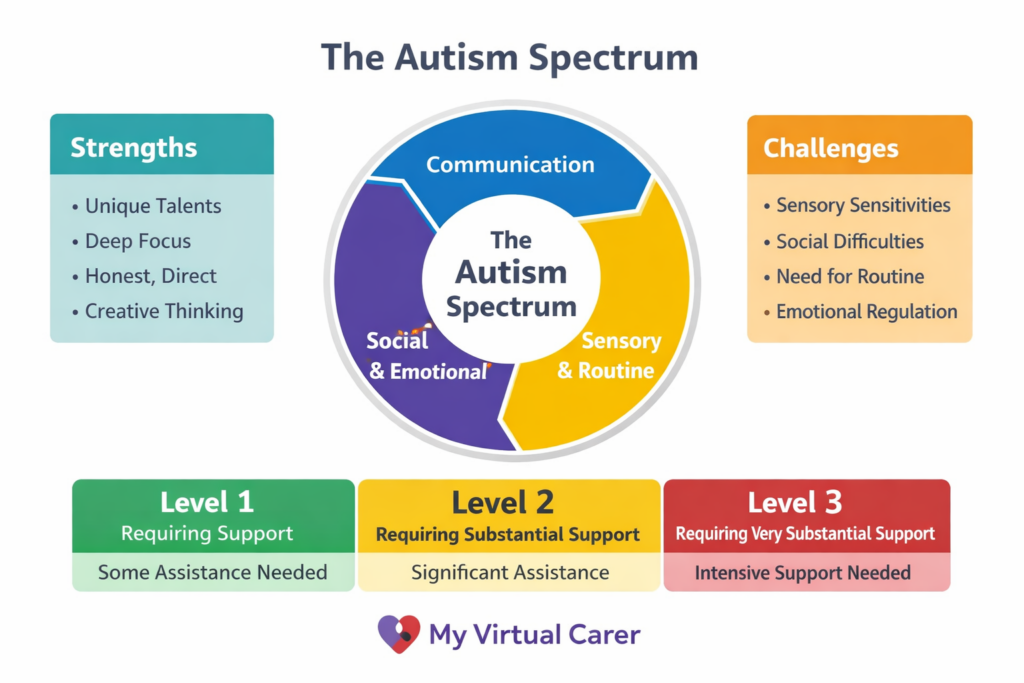
Understanding Autism: What the Spectrum and “Levels” Really Mean

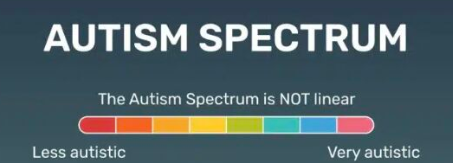
Autism is often described as a spectrum. But for many families and carers, that word can feel confusing or even misleading. People sometimes imagine a straight line from “mild” to “severe”. In reality, autism does not work like that at all. Autism is better understood as a profile of differences and support needs that can

Autism vs. Learning Disability: Understanding the Difference

The terms autism and learning disability are often used interchangeably in everyday conversation, but they describe very different things. While some people may experience both, autism is not a learning disability. Understanding the distinction matters for inclusion, for support, and for ensuring people get the right help rather than being misunderstood or underestimated. What is

“My child doesn’t have autism. They’re just slow.”

A parent’s journey through denial, fear, and understanding Where this thought often begins Many parents and carers find themselves thinking or saying the words, “My child doesn’t have autism. They’re just slow.” People rarely say this out of unkindness. Most say it because they love their child deeply and want to protect them from a

When Someone With Dementia Sleeps A Lot: What Caregivers Need To Know

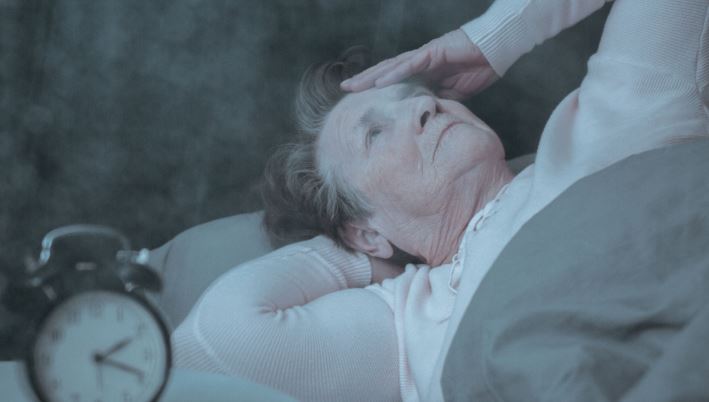
If you care for someone with dementia, noticing them sleep more and more can be worrying. You may find yourself wondering whether they are unwell, deteriorating, or if something has been missed. These concerns are completely understandable. For many carers, changes in sleep are one of the hardest parts of the dementia journey to make

Autism Fatigue: When the World Demands More Than a Nervous System Can Give

Autism fatigue is the deep, cumulative exhaustion that comes from living in a world not designed for autistic nervous systems. It is not simply being tired after a busy day. It is a whole-body, whole-mind depletion that builds over time when sensory overload, social demands, and constant self-regulation pile up without enough recovery. For many

Why Autism Is Called a Spectrum And Why That Matters

Autism is often described as a spectrum, yet this word is one of the most misunderstood aspects of the condition. Autism is a neurodevelopmental difference that can influence how a person experiences communication, social interaction, sensory input, routines, and change. In the UK, at least one in every hundred people is autistic and many believe this

Dementia Care in the Community: A Practical Guide for Care Agencies

Dementia care is one of the most complex and responsibility-heavy areas of community care delivery.For agencies, it sits at the intersection of safeguarding, consistency, staff confidence, family communication, and regulatory accountability. As dementia prevalence rises, agencies are increasingly supporting clients who are living longer at home — often with fluctuating cognition, multiple carers, and high

The Children of Darkness: A Glimpse into the Unseen Struggles of Autistic Children

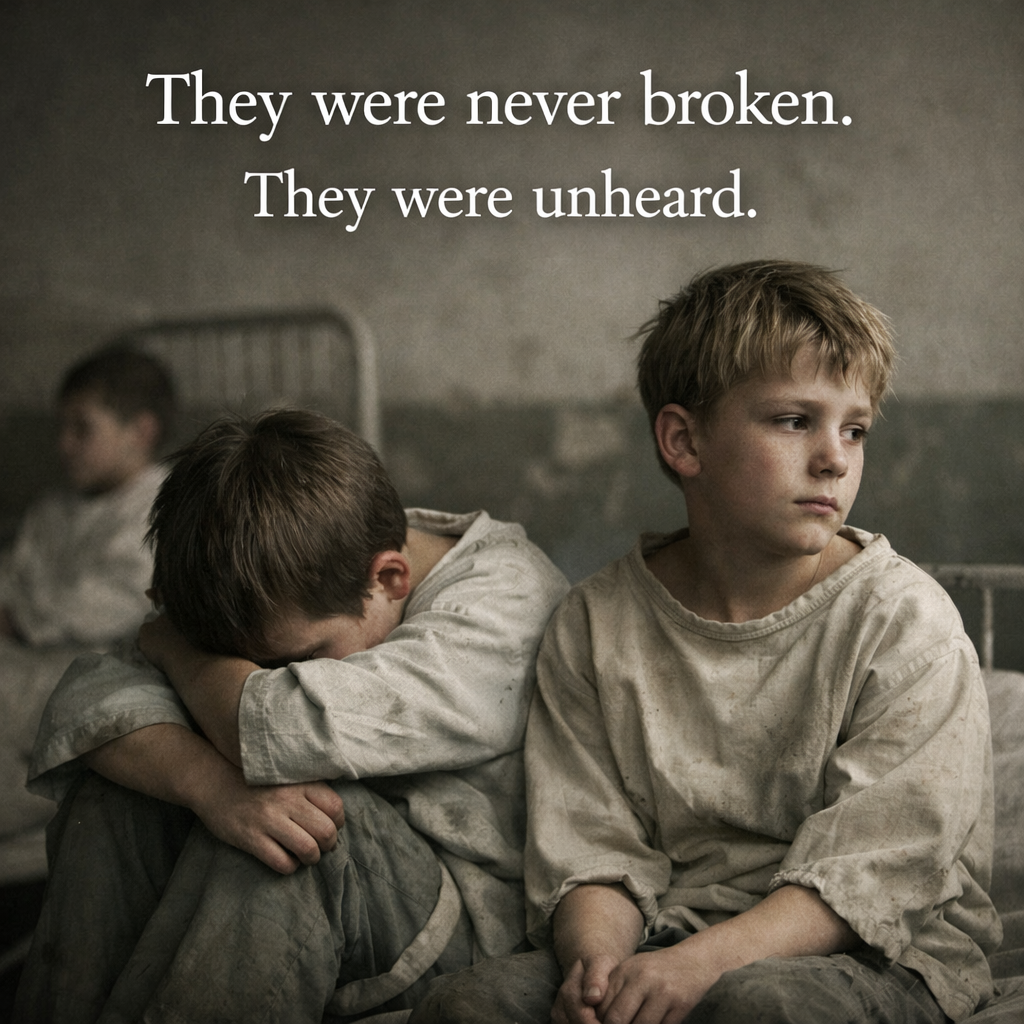
In 1983, a documentary titled The Children of Darkness aired, casting an unflinching spotlight on the challenges faced by children with autism and the underexposed world of psychiatric institutions in America. At the time of its release, the documentary stunned audiences with its raw portrayal of autistic children and the conditions they lived under in the 1970s

Why Do Some Autistic Children Hit Themselves?

Self-injurious behaviour (SIB), such as hitting the head or body, is one of the most distressing things a caregiver can witness. It’s frightening, confusing, and often misunderstood. The uncomfortable truth: this behaviour is not random, attention-seeking, or “bad behaviour.”It is communication, usually of distress, in a child whose nervous system is overloaded and whose ability

Dementia Wandering: Why It Happens, Why It’s Dangerous, and What Actually Reduces the Risk

Dementia wandering is often dismissed as “confusion” or “restlessness.” That framing is not just wrong, it’s unsafe. Wandering is meaningful, patterned behaviour driven by unmet needs, distorted perception, and failing internal navigation systems. If you don’t understand why it happens, you’ll default to containment. Containment increases distress. Distress increases wandering. That’s the loop many families get trapped in. This

Why Autistic Children Wander (Elope) and Toolkit for Caregivers

Autistic children don’t wander because they are careless, disobedient, or poorly supervised. Those explanations are lazy and dangerous. Wandering, often called elopement – is a predictable response to unmet needs, environmental stressors, and communication gaps. If you treat it as a behavioural problem, you will keep reacting too late. If you treat it as a systems problem,

Understanding Aging in Place vs Institutional Care

“Aging in place” has become the gold standard of elderly care. Ask older adults where they want to live, and the answer is almost universal: at home. Ask policymakers and service providers, and you’ll hear the same phrase repeated with confidence, as if the debate is settled. It isn’t. The conversation around aging in place

Scroll to Top