Autism

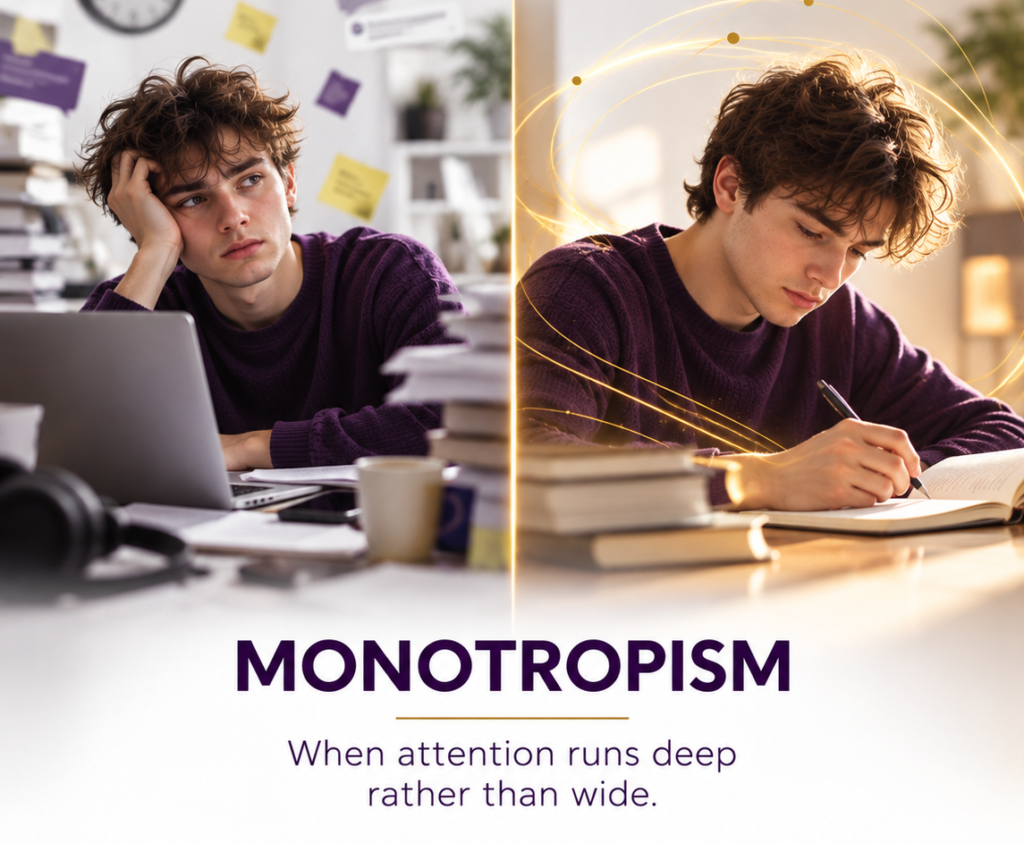
Monotropism: Could This Explain How Autistic Attention Works?

What if one of the most misunderstood aspects of autism is not how autistic people think, but how their attention is distributed? For decades, autism research has frequently examined differences in social cognition, executive functioning, sensory processing and behavioural flexibility. Autistic individuals are often described as having restricted interests, difficulty switching between activities or an

Autistic Inertia: When Knowing What to Do Doesn’t Mean You Can Do It

Imagine sitting at your desk, fully aware that you need to begin an important task. You understand what needs to be done. You know how to do it. You recognise the consequences of delaying it. You may even genuinely want to get started. Yet, despite all this awareness, you remain unable to initiate the action.

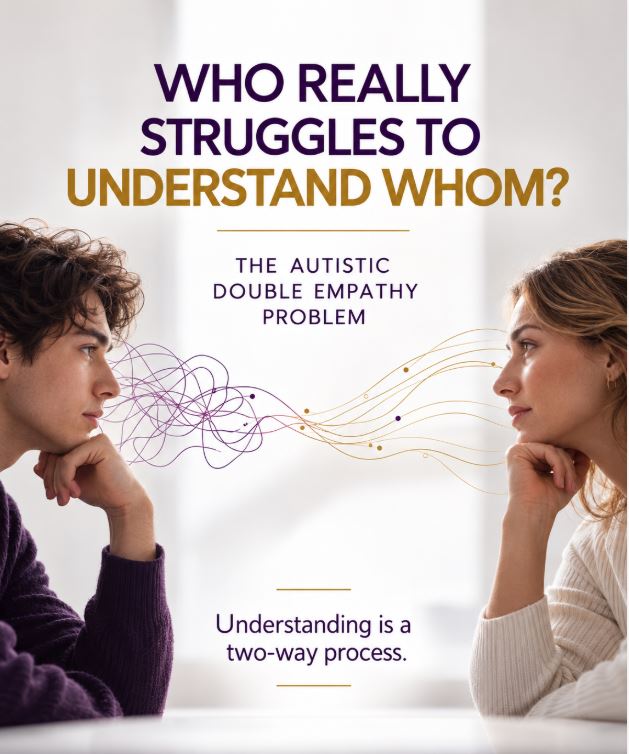
The Autistic Double Empathy Problem: Who Really Struggles to Understand Whom?

For decades, autism has frequently been understood through the language of social and communication deficits. Autistic individuals have often been described as struggling to interpret social cues, understand other people’s perspectives, recognise emotions or navigate the unwritten rules of human interaction. But what if this understanding has been incomplete? What if the difficulties experienced between

What is autistic impostor syndrome?

Receiving an autism diagnosis, or coming to understand oneself through the framework of autism, can provide an explanation for experiences that may previously have seemed disconnected or difficult to understand. For some people, however, that recognition is accompanied by an unexpected form of doubt: What if I am not really autistic? What if I have

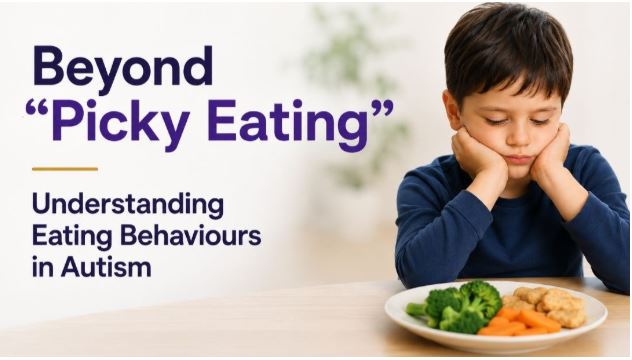
Beyond “Picky Eating”: Understanding Eating Behaviours in Autism Through a Neurodevelopmental Lens

Eating differences are among the most common, yet frequently misunderstood, characteristics experienced by autistic individuals. Too often, these behaviours are dismissed as simple “picky eating,” implying choice, defiance, or poor parenting. However, growing evidence demonstrates that eating behaviours in autism arise from complex interactions between sensory processing, interoception, executive functioning, anxiety, motor coordination, and the

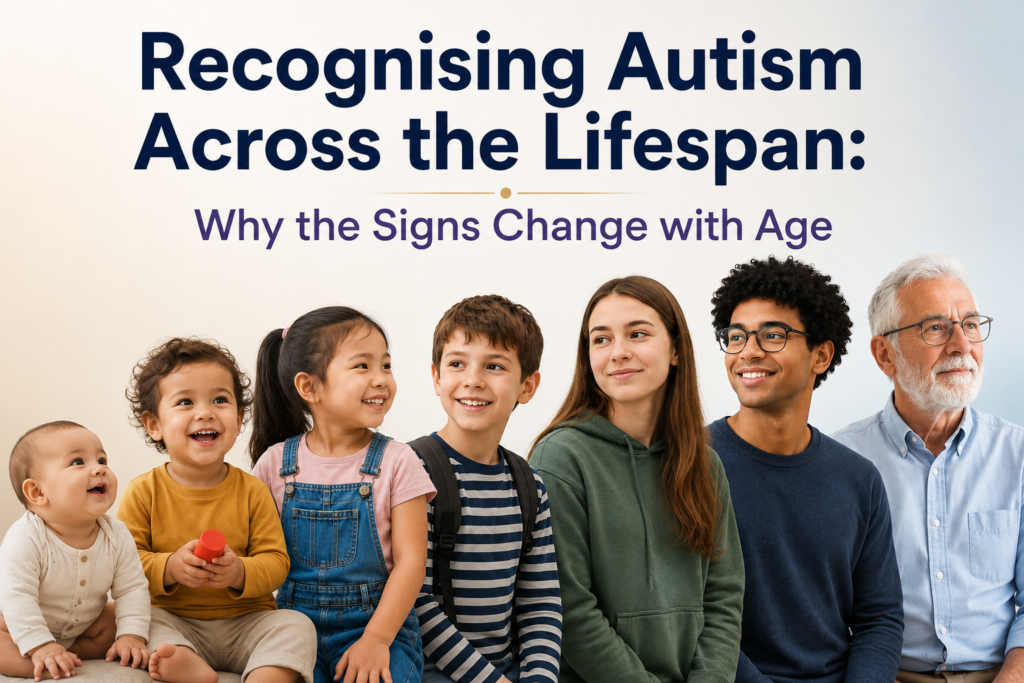
Recognising Autism Across the Lifespan: Why the Signs Change with Age

Autism is often discussed through lists of signs and symptoms, yet this can create a misleading impression that there is a single, recognisable way in which autism presents. In reality, autism spectrum disorder (ASD) is a neurodevelopmental condition characterised by considerable diversity. Its expression is shaped not only by neurological differences, but also by age,

11 Everyday Habits That Can Make ADHD Harder to Manage

Living with Attention Deficit Hyperactivity Disorder (ADHD) can be challenging, but symptoms are not only influenced by the condition itself. Everyday habits, routines, and lifestyle choices can also have a significant impact on focus, organisation, emotional regulation, and overall wellbeing. While no single habit causes ADHD, research suggests that certain factors may make symptoms more

ADHD: Disability or Untapped Advantage?

For much of modern history, ADHD has been discussed almost exclusively in terms of difficulty and deficit. The conversation has often focused on what people with ADHD struggle to do rather than what they may be capable of achieving. These challenges are real, and for many individuals they can have a significant impact on education,

“You are Difficult to Work With”

“You are difficult to work with.” Few workplace comments carry as much weight as this one. It is often delivered casually, perhaps during feedback, performance discussions, or even informal conversations between colleagues. Yet for many neurodivergent employees, it reflects years of being misunderstood, judged against unwritten social expectations, and expected to navigate workplaces that were

Understanding ADHD in Children: More Than Just Being “Hyper”

Attention-deficit/hyperactivity disorder (ADHD) is a long-term neurodevelopmental condition that affects millions of children around the world. While many people associate ADHD with being overly energetic or unable to sit still, the reality is far more complex. Children with ADHD often experience differences in attention, impulse control, emotional regulation, and activity levels. These challenges can affect

Why does my loved one keep repeating words? Understanding echolalia in care

What is echolalia? Echolalia is the repetition of words or phrases, either immediately after hearing them or later on. It is commonly seen in conditions such as autism spectrum disorder and can also appear in dementia. It might sound like: It can feel confusing, even frustrating. But like many behaviours in care, echolalia is not

Autism: Common Questions and Clear Facts

Is autism caused by gut or digestive issues?There is no scientific evidence showing that digestive or gut problems cause autism. While some autistic individuals experience gastrointestinal difficulties, this does not mean there is a causal link. Presenting gut health as the cause of autism is misleading and not supported by research. Is autism a disease?Autism

Understanding Autism: What the Spectrum and “Levels” Really Mean

Autism is often described as a spectrum. But for many families and carers, that word can feel confusing or even misleading. People sometimes imagine a straight line from “mild” to “severe”. In reality, autism does not work like that at all. Autism is better understood as a profile of differences and support needs that can

Autism vs. Learning Disability: Understanding the Difference

The terms autism and learning disability are often used interchangeably in everyday conversation, but they describe very different things. While some people may experience both, autism is not a learning disability. Understanding the distinction matters for inclusion, for support, and for ensuring people get the right help rather than being misunderstood or underestimated. What is

Scroll to Top