
Autism is often described as a spectrum. But for many families and carers, that word can feel confusing or even misleading.
People sometimes imagine a straight line from “mild” to “severe”. In reality, autism does not work like that at all. Autism is better understood as a profile of differences and support needs that can change depending on the person, the environment, and the situation.
This article explains what clinicians mean by the autism spectrum and the commonly referenced “levels”, in plain, practical language with carers and families in mind.
What does “autism spectrum” actually mean?
Autism affects how a person:
- Communicates
- Processes sensory information (sound, light, touch, noise)
- Manages change and uncertainty
- Interacts socially
- Regulates emotions and energy
Because these areas vary so widely, two autistic people can have completely different experiences, even if they share the same diagnosis.
That is why autism is described as a spectrum, not because some people are “more” or “less” autistic, but because autism shows up differently in each person.
What are autism “levels”?
In clinical settings, autism is sometimes described using three support levels. These levels do not measure intelligence, worth, or potential. They simply describe how much support a person may need in daily life.
Importantly, levels can change over time and vary by context.
Level 1: Requiring support
People at this level may:
- Speak fluently
- Appear independent to others
- Struggle with social nuance, unspoken rules, or small talk
- Experience sensory overload
- Rely heavily on routines
- Mask their difficulties, leading to exhaustion or burnout
What carers often see:
A person who “copes” on the outside but needs significant emotional and sensory support behind the scenes.
Level 2: Requiring substantial support
People at this level may:
- Have noticeable differences in communication
- Use shorter sentences or scripted speech
- Find social interaction tiring or confusing
- Experience strong distress around change
- Need support with daily activities in some settings
What carers often see:
Someone who can do many things independently but needs structure, predictability, and active support to feel safe and regulated.
Level 3: Requiring very substantial support
People at this level may:
- Be non-speaking or use alternative communication
- Have intense sensory sensitivities
- Require ongoing support with daily living
- Experience distress that may appear as meltdowns or shutdowns
What carers often see:
High support needs but also deep understanding, emotional awareness, and communication that may not be verbal.
Important things that are often misunderstood
Autism levels are not fixed
A person may:
- Manage well at home
- Struggle significantly at school, work, or during illness
- Need more support during stress, burnout, or change
Support needs are situational, not permanent labels.
Autism is not the same as a learning disability
- Autism and learning disability can co-exist, but they are not the same
- Many autistic people do not have a learning disability
- Assumptions in either direction can cause harm
Speech does not equal understanding
- Speaking fluently does not mean someone is coping
- Being non-speaking does not mean someone lacks understanding
- Behaviour is often communication, especially in distress
Why this matters for carers and families
Misunderstanding autism can lead to:
- Missed support
- Unfair expectations
- Increased stress for both carers and autistic people
Understanding autism as a set of needs, rather than a label, allows carers to:
- Respond with empathy rather than correction
- Adapt environments, not just behaviour
- Coordinate care that actually fits the person
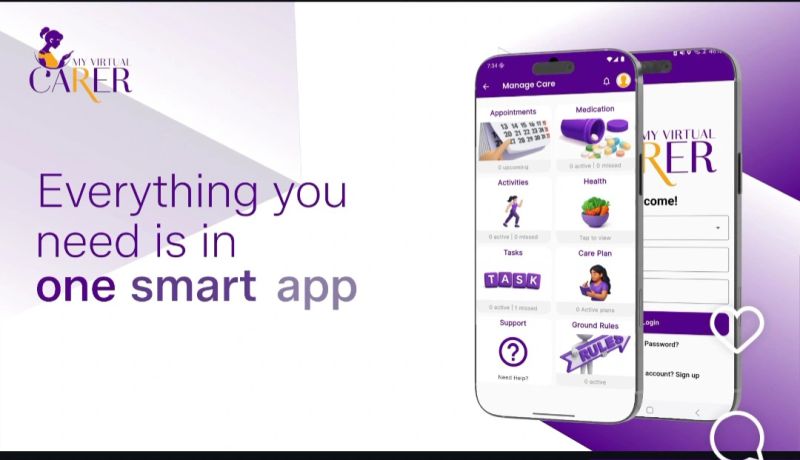
How My Virtual Carer can help
Caring for an autistic child or adult often involves:
- Multiple carers
- Different routines across settings
- Changing needs over time
- Communication between family members, professionals, and support workers
My Virtual Carer is designed to help families:
- Share care responsibilities clearly
- Coordinate routines and preferences
- Keep everyone aligned around the person, not just the tasks
- Reduce stress caused by miscommunication and assumptions
Autism support works best when care is joined-up, consistent, and human-centred.
Final thought
Autism is not something to “fix”.
It is something to understand, support, and respect.
When carers are supported, communication improves.
When communication improves, care becomes calmer, safer, and more dignified for everyone involved.
Disclaimer
This article is provided for information and general guidance only. It is not a diagnostic tool and does not replace professional medical, clinical, or educational advice. Autism presents differently in every individual, and support needs can change over time. If you have concerns about a child or adult, or require specific guidance, please seek advice from a qualified healthcare professional, educational specialist, or relevant support service.