Author name: My Virtual Carer Team

What is autistic impostor syndrome?

Receiving an autism diagnosis, or coming to understand oneself through the framework of autism, can provide an explanation for experiences that may previously have seemed disconnected or difficult to understand. For some people, however, that recognition is accompanied by an unexpected form of doubt: What if I am not really autistic? What if I have

Beyond “Picky Eating”: Understanding Eating Behaviours in Autism Through a Neurodevelopmental Lens

Eating differences are among the most common, yet frequently misunderstood, characteristics experienced by autistic individuals. Too often, these behaviours are dismissed as simple “picky eating,” implying choice, defiance, or poor parenting. However, growing evidence demonstrates that eating behaviours in autism arise from complex interactions between sensory processing, interoception, executive functioning, anxiety, motor coordination, and the

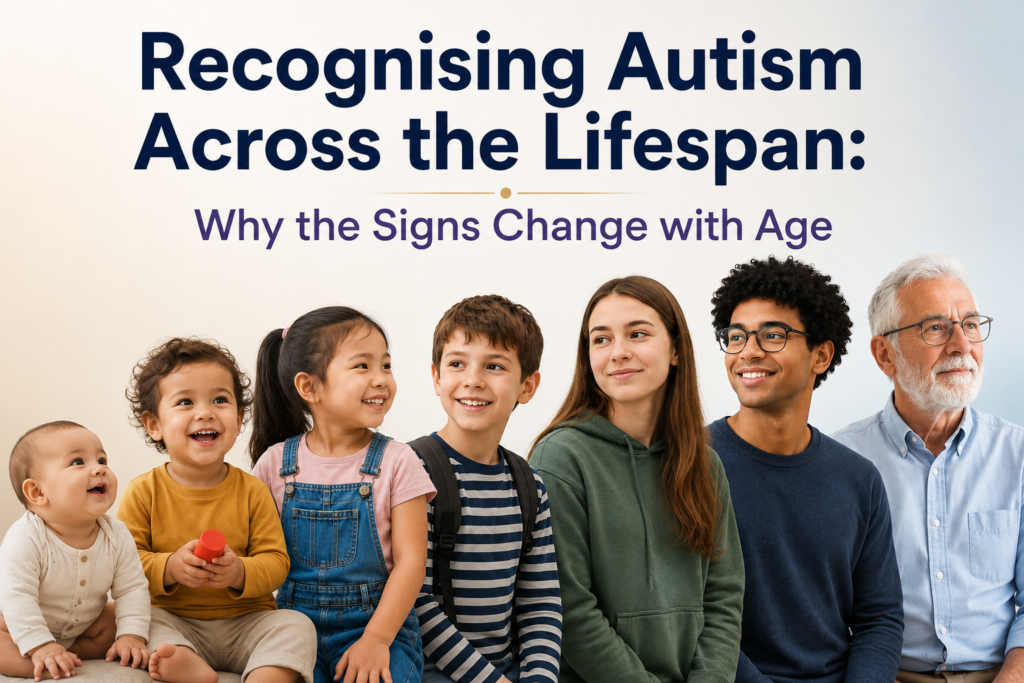
Recognising Autism Across the Lifespan: Why the Signs Change with Age

Autism is often discussed through lists of signs and symptoms, yet this can create a misleading impression that there is a single, recognisable way in which autism presents. In reality, autism spectrum disorder (ASD) is a neurodevelopmental condition characterised by considerable diversity. Its expression is shaped not only by neurological differences, but also by age,

11 Everyday Habits That Can Make ADHD Harder to Manage

Living with Attention Deficit Hyperactivity Disorder (ADHD) can be challenging, but symptoms are not only influenced by the condition itself. Everyday habits, routines, and lifestyle choices can also have a significant impact on focus, organisation, emotional regulation, and overall wellbeing. While no single habit causes ADHD, research suggests that certain factors may make symptoms more

ADHD: Disability or Untapped Advantage?

For much of modern history, ADHD has been discussed almost exclusively in terms of difficulty and deficit. The conversation has often focused on what people with ADHD struggle to do rather than what they may be capable of achieving. These challenges are real, and for many individuals they can have a significant impact on education,

Why So Many Adults With ADHD Go Undiagnosed For Years

One of the biggest challenges in ADHD diagnosis is that much of our understanding of the condition was originally built around how it presents in children, particularly young boys. As a result, many adults spend years seeking help for anxiety, burnout, depression, chronic stress, emotional overwhelm, relationship difficulties, or sleep problems without ever considering that

Vascular Dementia: The Form of Dementia We May Have the Greatest Power to Prevent

When people hear the word dementia, they often think of memory loss, ageing, or family history. Many assume that cognitive decline is simply an unavoidable part of growing older. While age is certainly a risk factor, the reality is far more complex. One of the most common forms of dementia, vascular dementia, is closely linked

Why So Many Adults With ADHD Go Undiagnosed For Years

One of the biggest challenges in ADHD diagnosis is that much of our understanding of the condition was originally built around how it presents in children, particularly young boys. As a result, many adults spend years seeking help for anxiety, burnout, depression, chronic stress, emotional overwhelm, relationship difficulties, or sleep problems without ever considering that

“You are Difficult to Work With”

“You are difficult to work with.” Few workplace comments carry as much weight as this one. It is often delivered casually, perhaps during feedback, performance discussions, or even informal conversations between colleagues. Yet for many neurodivergent employees, it reflects years of being misunderstood, judged against unwritten social expectations, and expected to navigate workplaces that were

Dementia 101: The Questions Almost Everyone Asks

Dementia is one of the most misunderstood health conditions in modern society. Many people associate it purely with memory loss or old age, yet the reality is far more complex, emotional, and human than most conversations acknowledge. For families, the journey often begins quietly. A forgotten conversation. Repeated questions. Confusion over dates or familiar places.

Undiagnosed ADHD in Adults: When “Just Being Busy” Is Something More

For many adults, Attention-Deficit/Hyperactivity Disorder (ADHD) is still associated with the image of a hyperactive child struggling to sit still in a classroom. Yet millions of adults live with ADHD without ever realising it. They may spend years believing they are simply disorganised, lazy, forgetful, overly emotional, or “bad at adulting,” when in reality they

Understanding ADHD in Children: More Than Just Being “Hyper”

Attention-deficit/hyperactivity disorder (ADHD) is a long-term neurodevelopmental condition that affects millions of children around the world. While many people associate ADHD with being overly energetic or unable to sit still, the reality is far more complex. Children with ADHD often experience differences in attention, impulse control, emotional regulation, and activity levels. These challenges can affect

I’m angry my family left me to care for our parent with dementia. Now what?

The feeling no one talks about Caring for a parent with dementia is hard enough. Doing it largely alone can feel unbearable. And then comes the anger. Anger at siblings who “visit when they can.”Anger at relatives who offer advice but no help.Anger at the silence, the absence, the imbalance. You might even feel guilt

Why does my loved one keep repeating words? Understanding echolalia in care

What is echolalia? Echolalia is the repetition of words or phrases, either immediately after hearing them or later on. It is commonly seen in conditions such as autism spectrum disorder and can also appear in dementia. It might sound like: It can feel confusing, even frustrating. But like many behaviours in care, echolalia is not

How do I deal with aggression in dementia?

A practical, human guide for carers When aggression appears, it’s not random Aggression in dementia can feel shocking, especially when it comes from someone you love. But in most cases, it is not intentional behaviour. It is communication. As conditions like Alzheimer’s disease or vascular dementia progress, the brain loses its ability to process information,

Scroll to Top