
The Children of Darkness: A Glimpse into the Unseen Struggles of Autistic Children

In 1983, a documentary titled The Children of Darkness aired, casting an unflinching spotlight on the challenges faced by children with autism and the underexposed world of psychiatric institutions in America. At the time of its release, the documentary stunned audiences with its raw portrayal of autistic children and the conditions they lived under in the 1970s

Why Do Some Autistic Children Hit Themselves?

Self-injurious behaviour (SIB), such as hitting the head or body, is one of the most distressing things a caregiver can witness. It’s frightening, confusing, and often misunderstood. The uncomfortable truth: this behaviour is not random, attention-seeking, or “bad behaviour.”It is communication, usually of distress, in a child whose nervous system is overloaded and whose ability

Dementia Wandering: Why It Happens, Why It’s Dangerous, and What Actually Reduces the Risk

Dementia wandering is often dismissed as “confusion” or “restlessness.” That framing is not just wrong, it’s unsafe. Wandering is meaningful, patterned behaviour driven by unmet needs, distorted perception, and failing internal navigation systems. If you don’t understand why it happens, you’ll default to containment. Containment increases distress. Distress increases wandering. That’s the loop many families get trapped in. This

Why Autistic Children Wander (Elope) and Toolkit for Caregivers

Autistic children don’t wander because they are careless, disobedient, or poorly supervised. Those explanations are lazy and dangerous. Wandering, often called elopement – is a predictable response to unmet needs, environmental stressors, and communication gaps. If you treat it as a behavioural problem, you will keep reacting too late. If you treat it as a systems problem,

Understanding Aging in Place vs Institutional Care

“Aging in place” has become the gold standard of elderly care. Ask older adults where they want to live, and the answer is almost universal: at home. Ask policymakers and service providers, and you’ll hear the same phrase repeated with confidence, as if the debate is settled. It isn’t. The conversation around aging in place

Understanding AUDHD: When Autism and ADHD Co-Occur

In recent years, the term AUDHD has gained traction within both neurodivergent communities and clinical discussions. Short for Autism + ADHD, AUDHD refers to individuals who are diagnosed with, or strongly identify with both Autism Spectrum Condition (ASC) and Attention-Deficit/Hyperactivity Disorder (ADHD). Because these conditions frequently overlap, many people find that “AUDHD” captures their lived

The “6-Second Rule” for Autism: A Simple Strategy That Can Change Everything

  When supporting a child on the autism spectrum, one of the most powerful tools isn’t a therapy program, a gadget, or a behavior chart,  it’s time. More specifically, it’s the six seconds we give before expecting a response. What Is the 6-Second Rule? The “6-second rule” means giving a child at least six full

Helping a Loved One with Dementia Use Social Media Safely

Social media can be a wonderful way for people to stay connected, share memories, and feel part of a community. But for someone living with dementia, online spaces can sometimes be confusing or even unsafe. At My Virtual Carer, we believe technology should help families care smarter, not harder. Here’s how you can support someone

The Heart of Caregiving: Finding Balance in a Demanding Role

Caregiving is one of the most selfless acts of love and responsibility. Whether you’re caring for an elderly parent, a partner with health challenges, or a child with additional needs, stepping into this role changes your daily life in profound ways. It’s rewarding, yes, but it’s also demanding. Caregivers often find themselves juggling work, family

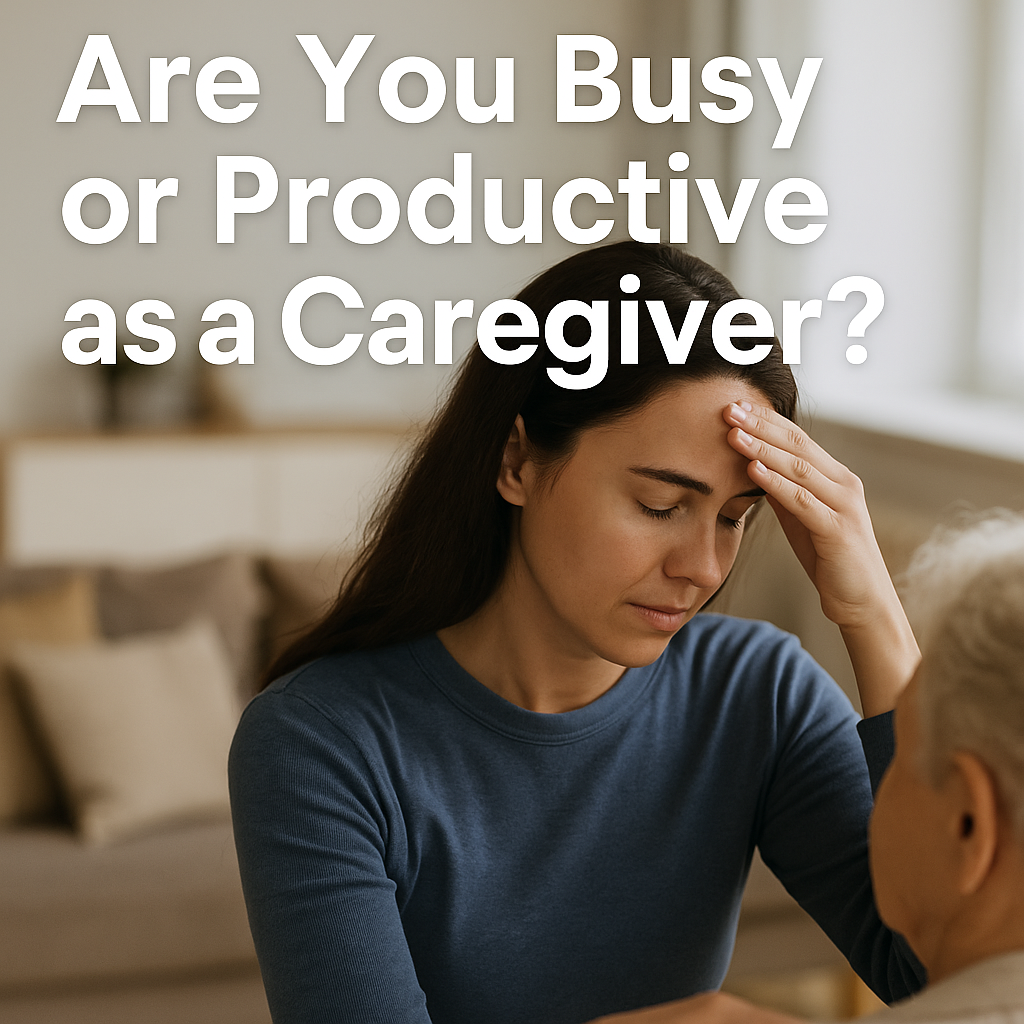
Are You Busy or Productive as a Caregiver?

I’ve been doing some self-reflecting this week. Those of you who’ve followed me on social media know I used to write more often – but lately, I’ve been super busy. That busyness made me pause…. As caregivers, we know the feeling well – the end of a long day when you collapse into bed thinking,

Feeling Trapped Caring for an Elderly Parent?

Caring for a parent is one of the most complex emotional journeys we can face. You still love them deeply — but the role reversal, the loss of personal freedom, and the constant responsibility can leave you feeling trapped. Many of us never admit it out loud for fear of being judged, but that doesn’t

Elder Care Support Checklist

A practical and emotional guide for those caring for ageing loved ones Caring for an elderly family member is an act of love — but it can also feel like trying to juggle ten balls while walking a tightrope. Between medical appointments, emotional support, daily routines, and your own life responsibilities, it’s easy for things

The Hard Truths about Caring for Elderly Parents

When I first stepped into the role of caring for my mum, I thought love and determination would be enough to get me through. What I didn’t realise was that caregiving isn’t just about practical help — it’s about carrying the emotional, physical, and even financial weight of another person’s daily life. Some days, it

Helping My Autistic Child Understand and Manage Emotions

When my son, Jacob, was younger, he used to call every uncomfortable feeling “angry.” It didn’t matter if he was anxious, embarrassed, or just tired — to him, it was all anger. And excitement? He’d either miss the feeling entirely or confuse it for something else. I remember one day after school, he came home looking

Scroll to Top