
In the United Kingdom, children with autism are entitled to a range of services, support, and legal protections designed to help them thrive and meet their individual needs. These entitlements can cover healthcare, education, financial assistance, social care, and legal rights — and understanding them can make a significant difference to a child’s development and quality of life.
Below is a clear breakdown of the main areas of support available.
1. Healthcare Entitlements
- NHS Services – Children with autism can access diagnostic assessments, speech and language therapy, occupational therapy, and mental health support through the NHS.
- Child and Adolescent Mental Health Services (CAMHS) – Specialist NHS services for children and young people with mental health needs, including those related to autism.
- Early Diagnosis and Intervention – Early identification can significantly impact a child’s development. Families are encouraged to seek assessments promptly if autism is suspected.
2. Educational Support
- Special Educational Needs (SEN) Support – Schools must identify and provide tailored support for pupils with SEN, including autism. This can include adapted teaching methods, classroom adjustments, and targeted interventions.
- Education, Health and Care Plan (EHCP) – For children with more complex needs, an EHCP is a legal document outlining the child’s educational, health, and social care needs, and the specific support required.
- Specialised Resources – Many schools offer autism-specific units, sensory rooms, quiet spaces, and structured social skills programmes to help create an inclusive environment.
3. Financial Support and Benefits
Families of children with autism may be eligible for:
- Disability Living Allowance (DLA) – To help with the extra costs of caring for a disabled child.
- Carer’s Allowance – For parents or carers providing substantial care.
- Universal Credit – May include extra payments for disabled children.
- Housing Benefit – Support with housing costs, depending on income and circumstances.
- Charity Grants – Organisations such as Family Fund offer grants for low-income families to help with essential items or experiences.
4. Social Care and Respite Services
- Social Care Needs Assessment – Children under 18 with disabilities are entitled to an assessment, which can lead to additional support.
- Respite Care / Short Breaks – Temporary relief for parents and carers, allowing time to rest and recharge.
- Care at Home – Support workers can help with daily routines and personal care.
- Direct Payments – Cash payments from the local authority so families can arrange their own care services.

5. Legal Rights and Advocacy
- The Equality Act 2010 – Protects individuals with disabilities, including autism, from discrimination in education, services, and employment.
- Advocacy Services – Charities and local organisations can help families navigate systems, challenge unfair decisions, and advocate for their child’s rights.
Key Things to Remember
- Support is based on individual needs, not just a diagnosis.
- Application processes and eligibility criteria vary, so it’s important to research requirements and keep thorough records.
- Specialist autism charities, parent groups, and local councils can guide you through the process.
This article is for information purposes only. For medical advice, assessment, or a diagnosis, please consult a qualified professional.
Making Care More Manageable
While these entitlements can provide vital help, managing appointments, therapy schedules, care plans, and communication between professionals can be overwhelming.
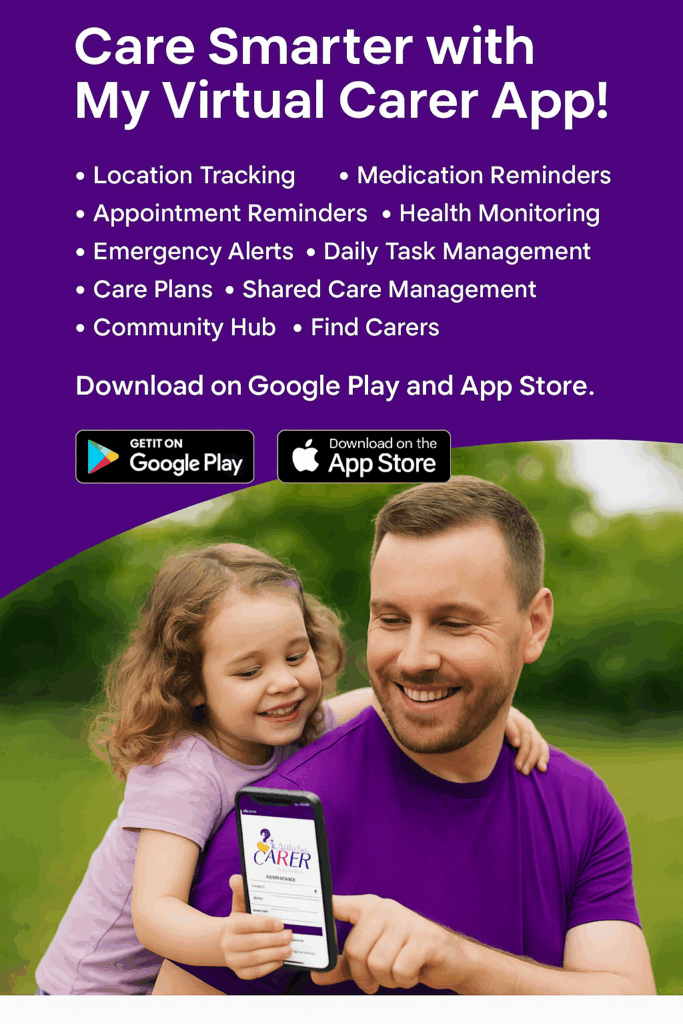
The My Virtual Carer app is designed to help families stay organised and reduce stress by bringing everything into one secure place. With features like:
- Shared care plans accessible to parents, carers, and professionals
- Reminders for appointments, medications, and daily routines
- Care journals to track progress and share updates
- Community support to connect with other families
…it’s a practical tool to help you make the most of the support your child is entitled to, while keeping life a little more manageable.
You can learn more or download the app here: www.myvirtualcarer.com